


Conservatory vs Garden Room: Which Is the Better Investment for Your Home?
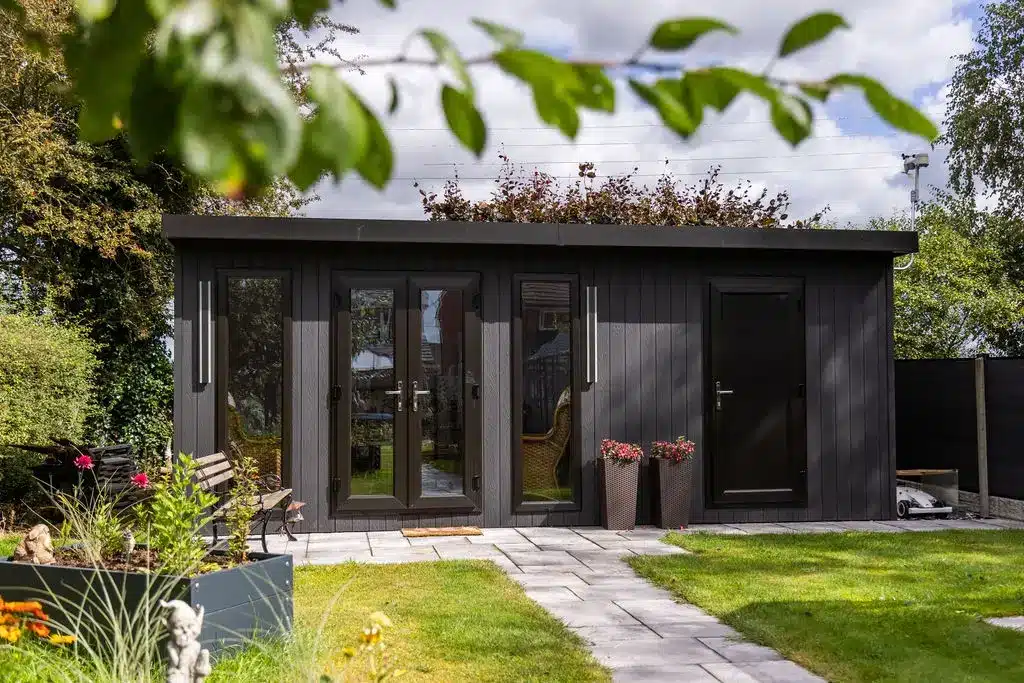
When looking to extend your living space, two popular options often come to mind: a conservatory or a garden room. Both create additional space without the need for a traditional brick extension, but they differ significantly in construction, performance and long-term usability.
Understanding these differences can help you choose the option that works best for your home and how you intend to use the space.
What is a conservatory?
A conservatory is typically attached to the main house and constructed with a high proportion of glazing, often including a glass roof. It is designed to introduce additional natural light and create a transitional space between the house and garden.

Conservatories are commonly used as sitting rooms or dining areas and can provide additional living space without a full extension.
Because conservatories rely heavily on glazing, they are often more affected by seasonal temperature changes. Overheating in summer and heat loss in winter can occur unless enhanced glazing or insulation measures are incorporated.
For some households, this arrangement works well. For others, it may influence how consistently the space is used throughout the year.
What is a garden room?
A garden room is a fully insulated standalone structure positioned within the garden rather than attached directly to the house. Unlike a conservatory, it is built more like a contemporary building, with insulated walls, roof and floor forming part of the structure itself.
At Roundpeg Outdoor Buildings, our garden rooms are designed and manufactured to comply with relevant UK Building Regulations where required, including considerations around insulation and energy efficiency.
This approach allows us to create spaces intended for consistent, year-round use.
Temperature and year-round performance
Thermal performance is one of the key differences when comparing a conservatory vs a garden room.
Because conservatories are largely glazed, their internal temperature can fluctuate more noticeably with external weather conditions.
A well-insulated garden room is constructed to retain heat in colder months and limit heat gain during warmer periods. The result is a more stable internal environment that supports everyday use.
For homeowners considering a home office, studio, gym or treatment room, this consistency can make a practical difference.
Energy efficiency and long-term considerations
Energy efficiency is an increasingly important factor in property improvements.
Garden rooms designed in line with Part L principles of the UK Building Regulations focus on conserving fuel and power through appropriate insulation and construction methods. This can contribute to lower energy use and improved comfort over time.
Upgrading an existing conservatory to achieve comparable levels of insulation may involve additional cost and structural adjustments.
When assessing a garden room vs conservatory from a long-term perspective, construction method and intended use are important considerations.
Choosing the right option
The most suitable choice depends on how you plan to use the space.
If you are seeking a light-filled room for occasional relaxation, a conservatory may meet your needs.
If you require a space that can be used comfortably throughout the year, whether for work or leisure, a well-insulated garden room is often better suited to support that level of everyday use. Its construction, insulation and energy performance are designed with consistency in mind.
At Roundpeg Outdoor Buildings, we focus on designing outdoor spaces that are practical, energy-conscious and built to last. For homeowners looking for reliable, year-round functionality, a garden room can provide a flexible and considered long-term solution. If you are weighing up a conservatory versus a garden room, we are always happy to talk through your requirements and help you make an informed decision.