


How to Prepare Your Garden Building for Autumn
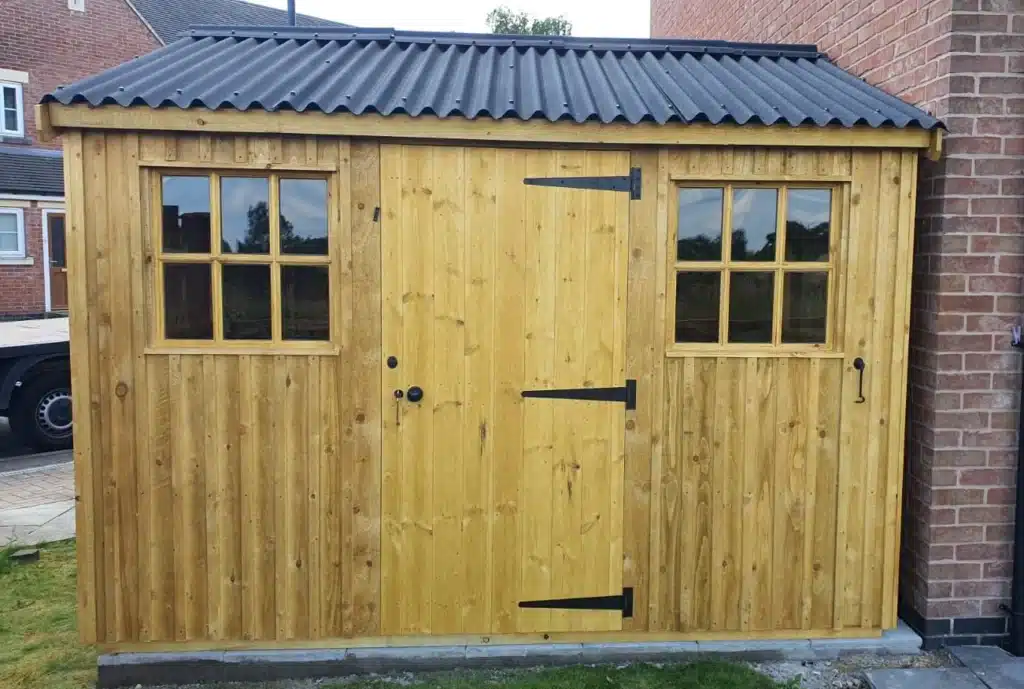
A little regular care can keep your garden building looking beautiful and working as it should for many years. Late summer and early autumn are ideal times to inspect the exterior, clear the gutters, check the roof and make sure the building is ready for colder, wetter weather.
Whether you own a garden room, summerhouse, log cabin, shed or bespoke outdoor building, these straightforward maintenance checks will help you spot small issues before they become more difficult to resolve.
Your autumn garden building maintenance checklist
Before winter arrives:
- Inspect timber cladding and painted surfaces
- Clean composite cladding where required
- Clear plants, soil and debris away from the walls
- Remove leaves from the roof and gutters
- Check for leaks, damage or standing water
- Test doors, windows, hinges and locks
- Keep vents clear and encourage airflow
- Look for signs of condensation or unusual damp
- Check for excessive timber movement or cracking
- Arrange professional help for electrical or structural work
Check your building’s exterior
Begin by walking around the whole building and looking closely at the cladding, corners, trims and areas around doors and windows.
Look for:
- Fading or peeling paint
- Cracked or damaged timber
- Exposed or untreated areas
- Gaps around trims or fittings
- Signs of persistent moisture
- Dirt, algae or organic growth
Pay particular attention to the sides that receive the most sun, wind and rain, as these may weather faster than more sheltered areas.
Caring for timber cladding
Timber buildings should be checked in autumn and again in spring. Many timber finishes require annual treatment, while timber factory-painted by Roundpeg may last approximately three to five years before repainting is needed. The exact timing will depend on the product, the building’s position and how exposed each elevation is to the weather.
Always follow the instructions supplied with the paint or timber treatment used on your building.
If repainting or retreating is required, choose a mild, dry day. The timber must be clean and completely dry before you begin. Remove loose or flaking paint, lightly sand the affected areas and prepare the surface properly before applying the new finish.
Use a good-quality product intended for garden buildings rather than a basic fence treatment. If you are unsure which finish was originally used on your Roundpeg building, please ask our team before applying anything new.
Caring for composite cladding
Composite cladding does not normally require painting or timber treatment. However, it should still be kept clean and checked for damage. Use the cleaning method recommended for the particular cladding fitted to your building, avoiding harsh chemicals or abrasive tools unless the manufacturer confirms they are suitable.
Keep plants and debris away from the walls
Plants can look lovely around a garden building, but they should not be allowed to grow directly against it.
Keep leaves, soil, compost, grass cuttings and stored items away from the external walls. This allows air to circulate and reduces the risk of moisture becoming trapped against the cladding.
Cut back climbing plants, shrubs and overhanging branches where necessary. Check that soil, gravel or mulch has not built up against the bottom of the building, as this can expose the structure to prolonged damp.
Inspect the roof and clear the gutters
Check the roof at least once a year and after particularly severe weather. You do not need to climb onto the roof; inspect it safely from ground level or use a suitable professional where closer access is required.
Look for:
- Loose or damaged roofing material
- Tears, lifting edges or displaced sections
- Blocked outlets and downpipes
- Overflowing gutters
- Watermarks or signs of a leak
- Branches or heavy debris resting on the roof
- Areas where water appears to be collecting
Remove leaves and other debris from gutters regularly so rainwater can flow away freely. Make sure downpipes discharge correctly and are not sending water back towards the building or its base.
If you notice a leak or damaged roof covering, arrange for it to be assessed promptly. Water ingress is usually easier to resolve when it is dealt with early.
Check doors, windows and fittings
Open and close every door and window to make sure it continues to move smoothly, close fully and lock correctly.
Timber naturally responds to changes in temperature and moisture, so minor seasonal adjustments to hinges, catches or other fittings may occasionally be needed. Lubricate hinges, locks and moving metal parts using a suitable product, following the manufacturer’s instructions.
Clean the frames and glazing, and check seals for visible damage or gaps. If a door or window has suddenly become difficult to close, do not force it. Check for debris or an obvious obstruction and contact Roundpeg if you are concerned.
Keep your garden building ventilated
Good ventilation is important throughout the year, particularly during colder months when doors and windows are opened less often.
Keep trickle vents and any other installed ventilation systems open and unobstructed. Open doors and windows periodically when the weather allows, especially after using the building for exercise, entertaining or other activities that create additional moisture.
Inside the building:
- Leave a small space between furniture and external walls
- Avoid blocking vents with curtains, boxes or storage
- Do not store wet coats, equipment or soft furnishings without drying them
- Use steady background heating where appropriate
- Investigate recurring condensation rather than simply wiping it away
A small amount of condensation can occur when warm, moisture-filled air meets a cold surface. Regular ventilation and sensible heating will help manage it. Persistent damp patches, staining or a musty smell should be investigated.
Expect some natural seasonal movement
Timber is a natural material. Small amounts of movement, shrinkage, swelling or fine surface cracking may appear as temperature and moisture levels change through the seasons.
This does not necessarily mean there is a problem. However, you should contact Roundpeg if you notice:
- A significant or rapidly widening crack
- Doors or windows becoming badly misaligned
- Persistent water ingress
- Unusual movement in a wall, roof or floor
- Soft, discoloured or deteriorating timber
- Any change that causes concern
Photographs and a short description will help our team understand what you are seeing and advise you more quickly.
Avoid overloading or altering the building
Do not overload the walls, ceiling or floor. Please speak to Roundpeg before fixing particularly heavy objects, such as large televisions, suspended storage or heavy exercise equipment, to the structure.
Structural alterations should not be made without professional advice. Any inspection, repair or alteration involving the electrical installation must be completed by a suitably qualified electrician.
A little autumn care goes a long way
Preparing your garden building for autumn does not need to be a major job. A careful inspection, clear gutters, good ventilation and timely attention to the exterior can make a meaningful difference to its long-term condition.
Repainting can also be a lovely opportunity to refresh your building and give it a new look for the season ahead.
If you are unsure whether your Roundpeg building needs attention, please get in touch. We are always happy to offer practical advice and help you understand the right care for the materials and finishes used on your building.
Roundpeg designs and installs garden rooms and outdoor buildings across Staffordshire, Derbyshire, Burton-on-Trent and the wider Midlands. You can also explore our bespoke garden rooms or visit our frequently asked questions for more guidance.
Frequently asked questions
How often should I treat a timber garden building?
Many timber garden buildings require treatment every year. Timber factory-painted by Roundpeg may last approximately three to five years before repainting is needed, depending on weather exposure and the condition of the finish. Always follow the guidance for the product used on your building.
When is the best time to repaint a garden building?
Late spring, summer and early autumn can all be suitable, provided you choose a mild, dry day. The timber must be clean and completely dry, with no rain expected while the product is drying or curing.
How can I prevent damp in my garden room during autumn?
Keep vents open, allow air to circulate behind furniture, use appropriate heating and avoid leaving wet items inside. Plants, soil and stored objects should also be kept away from the exterior walls.
Does composite cladding need to be treated?
Composite cladding does not normally need painting or timber treatment. It should still be cleaned according to the manufacturer’s guidance and inspected periodically for damage.
Should I clear leaves from my garden building roof?
Yes. Leaves and debris can obstruct gutters and outlets or hold moisture against the roof covering. Clear them regularly, particularly during autumn, while working safely from ground level or using a suitable professional.
Are small cracks in timber normal?
Fine surface cracks and slight movement can occur naturally as timber responds to changes in temperature and moisture. Contact Roundpeg if a crack becomes significant, spreads quickly or appears alongside water ingress, softness or structural movement.